Port wine is, without a doubt, Portugal’s most famous drink. But here’s the thing: most people arrive in Porto thinking they already understand it. They don’t.
After years of hosting guests on our Vintage & Port Wine Food Tour, we’ve noticed that many people get the basics wrong, and – as soon as they set foot in Porto – they decide to pair this iconic drink with a francesinha (a rookie, and often painful, mistake).
So before you start sipping your way through the city and end up with an upset stomach, here are a few things about port wine worth knowing before your trip to Porto, Portugal.
8 FAQs about Porto wine that most travelers don’t know the answer to
1. Is it just a dessert wine?
One thing is certain: Port wine is sweet, and yes, it often appears at the end of a meal. But reducing it to a dessert wine is like saying champagne is just for weddings. Port, often described as a sweet fortified wine, can open a meal just as easily as it can close one. It works as an aperitif; depending on the type of Port, it pairs beautifully with savory or sweet dishes and even finds its way into sauces and slow-cooked recipes. Calling it “just dessert” misses the point.
2. How many types of Port wine are there?
Most people arrive knowing two words: Tawny and Ruby. But when you start exploring the types of port wine, you quickly realize how much more there is to discover. You’ve got:
Ruby: bold, red-berry driven, “young”.
- Vintage: Designed for bottle aging. Produced from a single exceptional year, it is bold and structured; bottled young and built to age in the bottle;
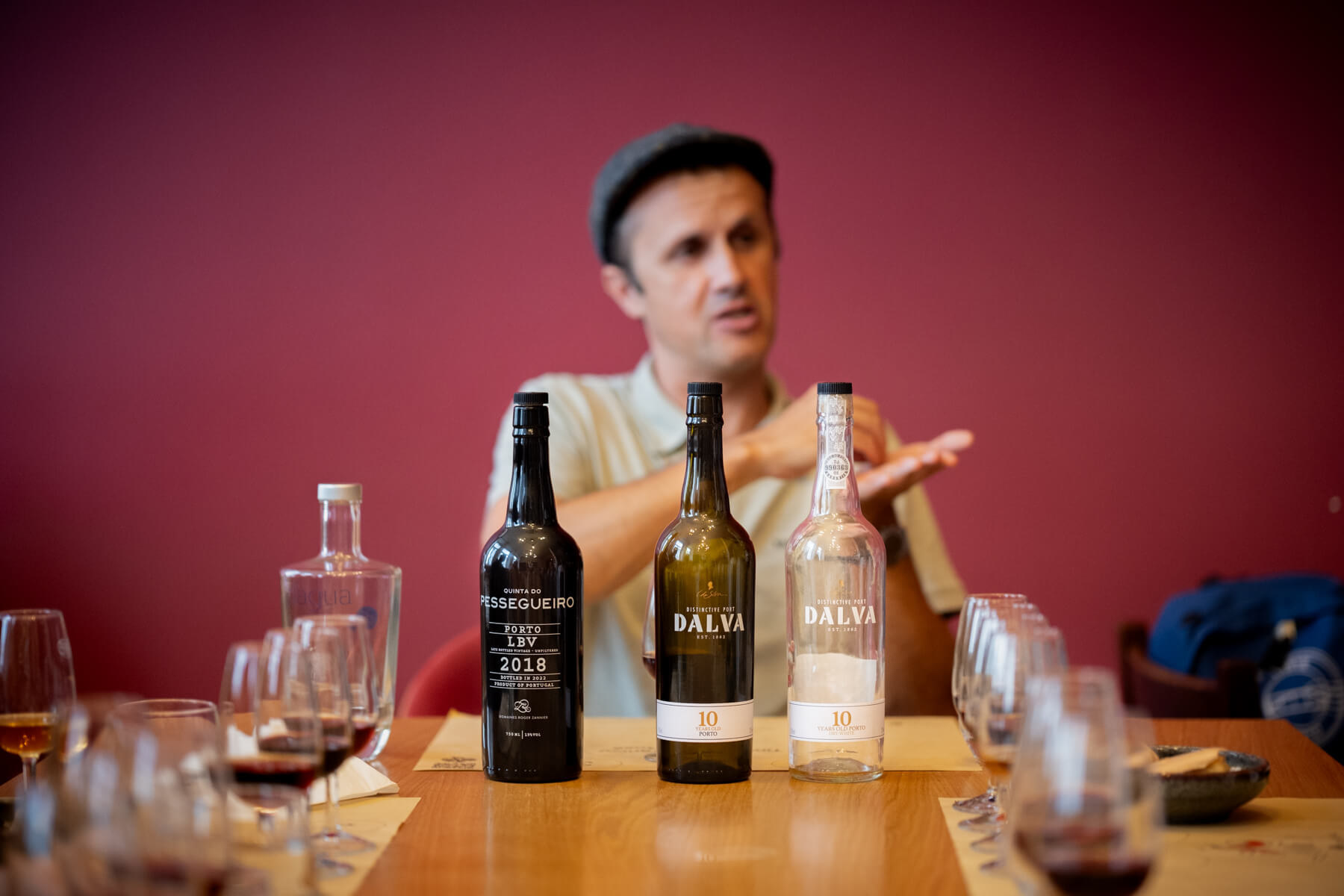
- Late Bottled Vintage (LBV): Unfiltered can age up to 18 years. Also from a single year, but aged longer in barrel, making it more approachable and ready to drink upon release.
Tawny: mellow and oxidative in character, with notes of nuts, caramel, and dried fruit.
- Age-indicated Tawnies (10, 20, 30, 40 years): are blends of different years;
- Colheita: a Tawny Port from a single harvest year, aged in oak for a minimum of seven years, often much longer.
White Port: the one that usually catches people off guard.
- Light, aromatic, and versatile, with notes of flowers, honey, and citrus. It ranges from dry to sweet and is especially refreshing when served chilled or mixed into a Port Tonic.

3. Can (and should) you drink Port wine in a cocktail?
If you think port is old-fashioned, think again. One of the best ways to enjoy it, especially in warmer weather, is a Port Tonic:
- White port;
- Tonic water;
- Ice, lemon, fresh mint;
It’s Porto in a glass. It’s simple, refreshing, and quietly addictive, especially on a warm afternoon by the river.
4. Does Port actually come from Porto?
Port wine isn’t produced in Porto itself, but further inland, in the dramatic landscapes of the Douro Valley, one of the oldest demarcated wine regions in the world and a UNESCO-listed landscape. So why “Port”? Because this is where the wine was historically shipped from. Over time, the city gave the wine its name.
5. Is Port wine called that because it comes from a port?
Not quite. In Portugal, it’s called Vinho do Porto, which literally means “wine from Porto.” A more accurate translation would be “Porto’s wine,” rather than “port wine.”
6. Is it a fortified wine?
During fermentation, winemakers add a neutral grape spirit, stopping the process early. This preserves the wine’s natural sugars while raising the alcohol content (typically to around 19–22%). The result is a wine that is:
- Rich;
- Smooth;
- Naturally sweet;
- Far more versatile than most people expect.
7. Do Port wine pairings go beyond dessert?
Port with dessert? Sure. But that’s just the beginning. Try this instead:
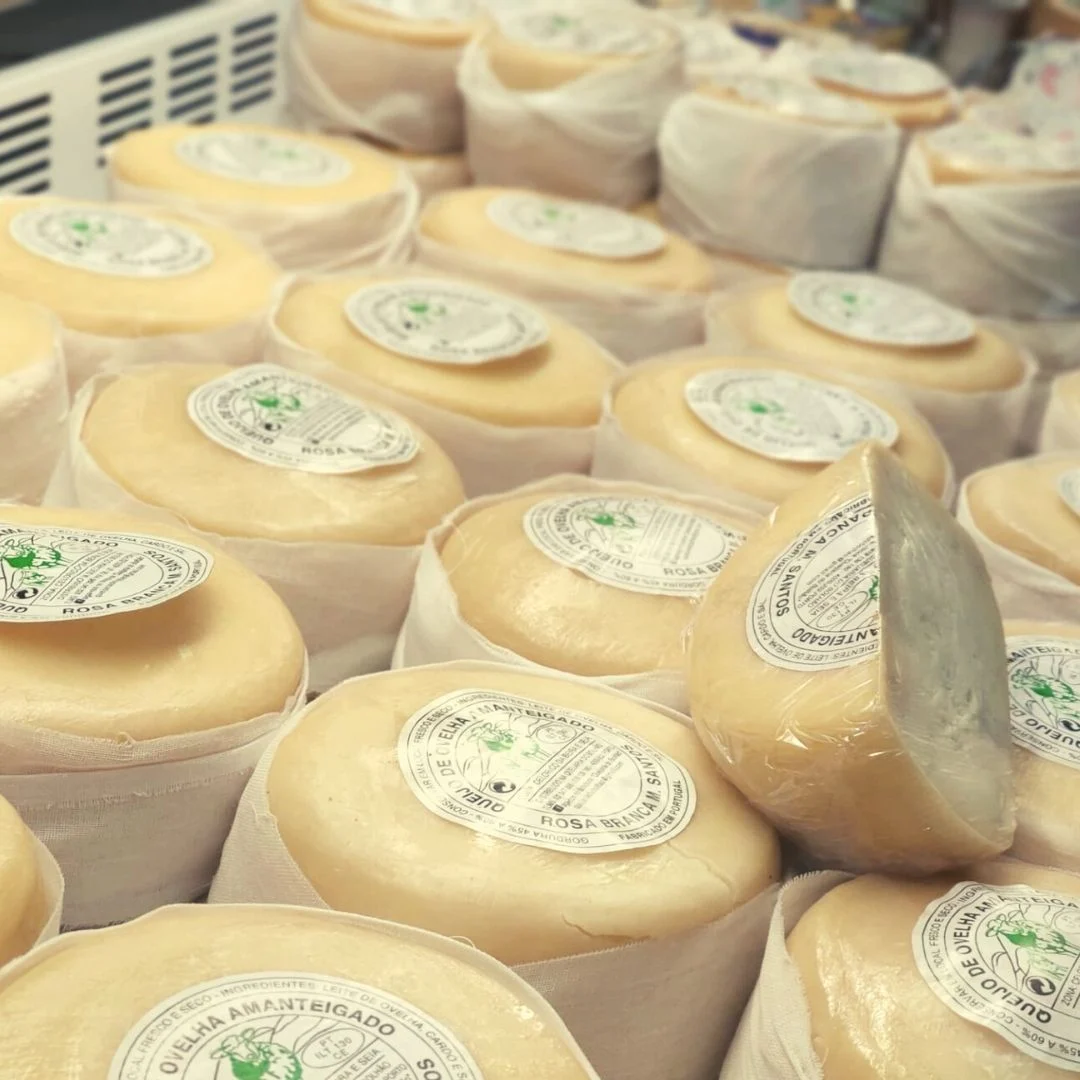
- Tawny with aged cheese or Portuguese eggy desserts;
- Ruby with dark chocolate;
- White port with savory puff pastries or foie gras;
- Vintage with blue cheese or simply dried fruits and nuts.
Or go further. One of our favorite pairings? A slow-cooked wild boar stew with a glass of Vintage Port. Deep, intense, and exactly the kind of combination that changes how you think about this wine.
8. What’s the best way to experience Port wine?
Reading about Port (like you’re doing now) is one thing. Understanding it is another. That happens when you taste different styles side by side, hear the stories behind the bottles, and see how locals actually drink it. When you connect with the place it comes from, everything clicks.
That’s why we always say: starting your time in Porto with a Port wine tasting experience isn’t just a good idea. It’s a smart one.
- It gives you context;
- It gives you confidence;
- It helps you avoid ordering Port with a francesinha.
That said, you can do all three…or choose what suits you best:
1. Visit a Port wine cellar across the Douro River, in Vila Nova de Gaia
- You can get there on foot, by metro, taxi, or a combination of all three;
2. Head to the Douro Valley and visit one of its wineries
- You can go by train, car, boat, or a mix of these options;
3. Stay in Porto and join us for a Port wine tasting and food tour
- One of our WSET-certified guides will walk you through everything you need to know about this remarkable beverage.
Drink Port like you actually know what you’re doing
If you’re looking for a small-group experience that goes beyond the surface, our Porto walking tours, particularly our Vintage & Port Wine Food Tour, bring it all together – not just tastings, but the stories, the people, and the culture and soil behind the glass. Join us and discover Port wine the way it’s meant to be experienced.
À Nossa!
Your Friends in Porto