This is the story of the Iberian Peninsula, told from Portugal’s side: a land shaped by warriors, empires, and explorers. And it’s a story you can still experience today. Not just in museums, but in the everyday life of the cities that define Portugal.
The Iberian Peninsula Explained
Long before Portugal existed, the Iberian Peninsula — the landmass that today includes Portugal and Spain — was home to many different peoples. In the south and east lived groups that the Romans later named the Iberians, while Celtic tribes settled across the north and center.
In what is now Portugal, one of the most prominent groups was the Lusitanians, fierce warrior tribes inhabiting the lands between the Douro and Tagus rivers. Their most famous leader was Viriatus, who became legendary for allegedly resisting Roman expansion. Eventually, though… Rome won.
The Romans arrived around the 2nd century BC, conquered the territory, and the region became part of the Roman province of Lusitania. Under Roman rule, urban life flourished. Cities like Braga (then Bracara Augusta), Lisbon (Olisipo), and Conímbriga (which you can still visit today) became important centers of culture and administration.
The Romans left a lasting legacy: roads, laws, urban life — and, most importantly, Latin, the language that eventually evolved into Portuguese.
After Rome: A New Era in the Iberian Peninsula
The Roman Empire collapsed in the 5th century, and new groups moved into the peninsula. If you’ve seen the movie Gladiator, you might remember the Romans calling their enemies “barbarians.” For them, that simply meant anyone who didn’t speak Latin or Greek. Among these groups were the Suebi, who established the Kingdom of the Suebi in the northwest, with its capital in Braga. They were among the first so-called “barbarian” groups to convert to Christianity.
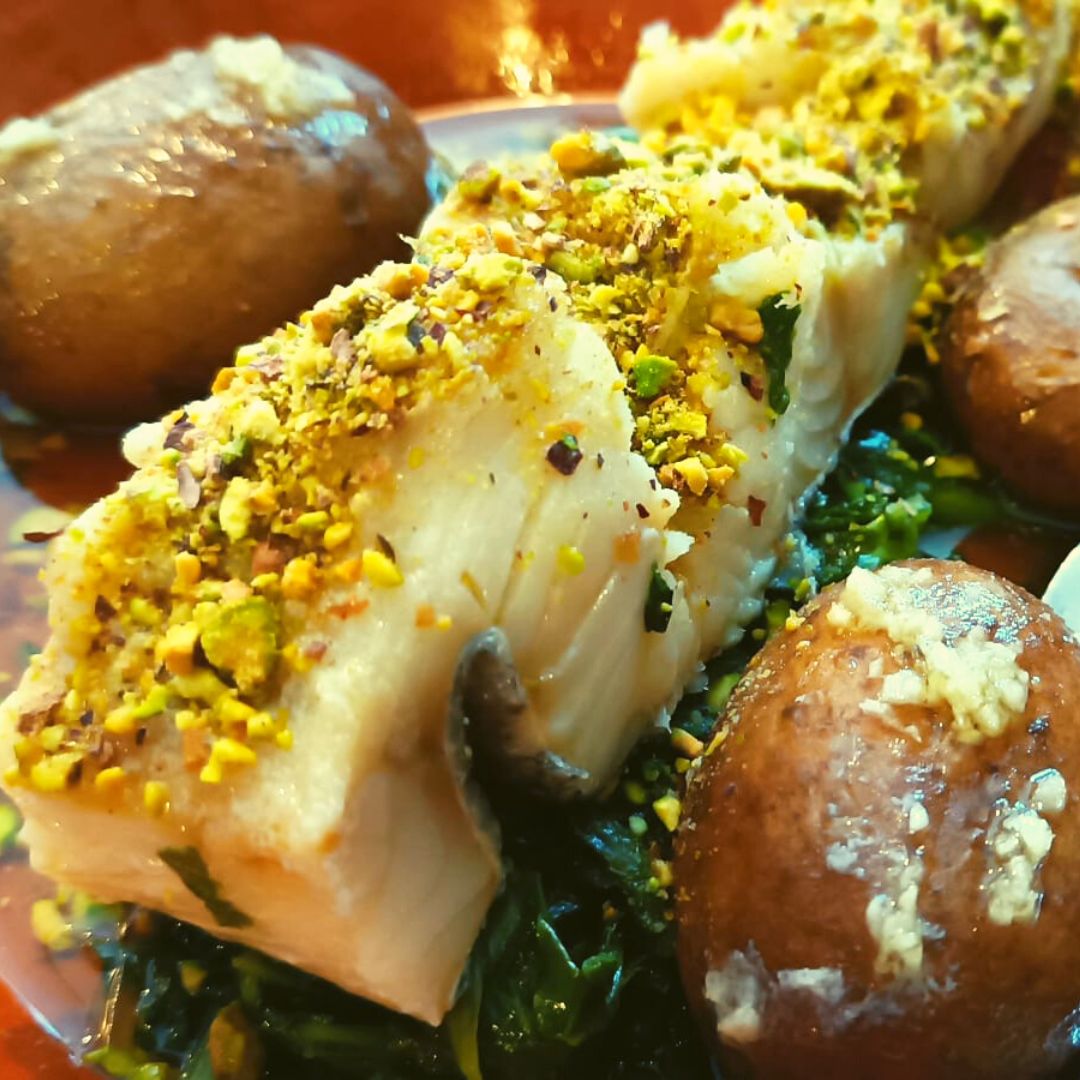
Here’s a fun food connection: some historians believe that Porto’s most famous dish — Tripas à Moda do Porto — might actually originate from Suebian traditions of using every part of the animal, including less noble cuts like tripe.
Later, another Germanic group, the Visigoths, already present in Iberia, formed an alliance with the Suebi and ruled most of the peninsula from their capital in Toledo.
Al-Andalus: Muslim Rule in the Iberian Peninsula
In 711, another major shift occurred. Muslim armies, mostly Berber soldiers led by Tariq ibn Ziyad, crossed the Strait of Gibraltar and defeated the Visigothic king. Following their victory, much of the region became part of Al-Andalus. All of it? No. There’s no archaeological evidence that the Moors settled north of the Douro. Actually, the Northmost moorish settlement was in Coimbra.
Muslim rule lasted for centuries in parts of Portugal and left a significant cultural legacy. They introduced new irrigation systems, crops, and agricultural knowledge. Even today, many Portuguese words beginning with “al” come from Arabic, such as alface (lettuce), aldeia (village), and almofada (pillow).
A Divided Iberian Peninsula: Christian North vs. Muslim South
While the south was under Muslim rule, the north remained Christian. From a small northern kingdom, called the Kingdom of Asturias, began the long process known as the Christian Reconquest (Reconquista).
Around the year 868, a nobleman named Vímara Peres, serving Alfonso III of Asturias, reconquered and repopulated the area around the Douro River. He established the County of Portucale, centered around Portus Cale, which is where the name Portugal actually comes from. However, the true story of Portugal begins with its first king.
Afonso I of Portugal helped shape the Iberian Peninsula
The defining moment came in the 12th century with Afonso I of Portugal. At the time, the region was still part of the Kingdom of León. Determined to achieve independence, Afonso Henriques even fought his own mother for control of the territory. In 1128, he defeated her forces in the Battle of São Mamede, began expanding south, and secured international recognition for the new kingdom through the Manifestis Probatum papal bull in 1179. This is why Portugal is one of the oldest countries in Europe, with borders largely unchanged since 1297.
Portugal’s Maritime Exploration Beyond the Iberian Peninsula
Once the territory was secure, the Portuguese turned their attention to the ocean. In the 15th century, during the Age of Discovery, Portuguese sailors began exploring the Atlantic and the coast of Africa. Soon after, Portuguese explorers reached India by sea with Vasco da Gama in 1498, and 2 years later, Pedro Álvares Cabral arrived in Brazil.
For a time, Portugal controlled one of the world’s first global trading networks, spanning Europe, Africa, Asia, and South America. Spices, gold, sugar — and eventually coffee (in the 19th century) — flowed through ports like Porto and Lisbon. However, history is never linear, and, like every empire, Portugal’s golden age did not last forever.
The End of Portugal’s Empire
In 1755, one of the most dramatic moments in our history happened: the Lisbon Earthquake, one of the most destructive earthquakes in European history.
On the morning of November 1st — All Saints’ Day — a massive earthquake, followed by a tsunami and fires, destroyed most of Lisbon and killed tens of thousands of people. It shocked all of Europe and forced Lisbon to rebuild almost from scratch. The disaster also triggered profound cultural and intellectual shifts, contributing to the rise of Enlightenment thinking, which sought scientific explanations over religious ones.
From Monarchy to Republic: Portugal in the 19th and 20th Centuries
During the 19th and early 20th centuries, Portugal experienced significant political instability, marked by wars, financial crises, and shifting regimes.
A key turning point came with the Napoleonic Invasions of Portugal (1807–1811). Facing the advance of French troops, the royal court fled to Rio de Janeiro, in Brazil, which subsequently became the seat of the monarchy. For a time, this effectively made it the capital of the Portuguese Empire, an exceptional case of a European capital located outside the European continent.
Instability persisted throughout the 19th century, ultimately culminating in the collapse of the monarchy. The country became a republic on October 5, 1910, following the Portuguese Republic Proclamation.
A few decades later, Portugal entered a long period of authoritarian rule under António de Oliveira Salazar, whose regime — known as the Estado Novo — ruled the country for more than forty years. Interestingly, his surname later inspired J. K. Rowling when she named the Slytherin house founder Salazar Slytherin in the Harry Potter series.
That period finally ended in 1974 with one of the most beautiful revolutions in modern history: the Carnation Revolution. It was a largely peaceful military uprising that restored democracy, and people placed carnations in the soldiers’ rifles, giving the revolution its name. After that, Portugal transitioned to democracy and later joined the European Union in 1986, becoming part of the modern European project.
Portugal Today
Today, Portugal is a small country of about 10 million people, but with a global cultural footprint — partly because Portuguese explorers connected different parts of the world centuries ago. Portuguese is now spoken by more than 250 million people across several continents, including Brazil, Angola, Mozambique, and others.
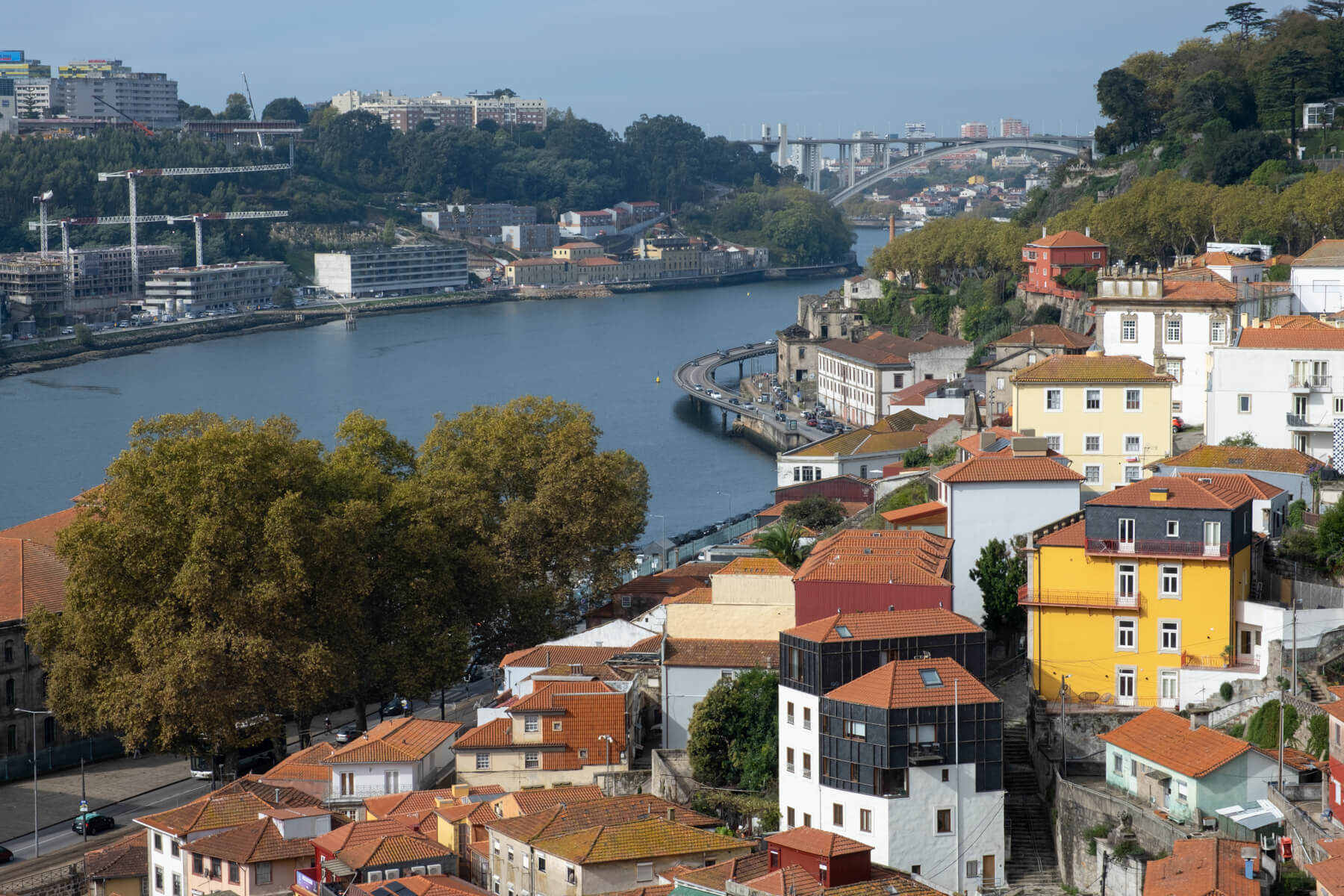
Meanwhile, cities like Porto have transformed again — from a working port shipping wine down the Douro River to one of Europe’s most exciting food and wine destinations, and the starting point for countless pilgrims walking the Portuguese Camino de Santiago.
Experience the Story in Porto, Portugal
Now you know the story behind Portugal, but the best way to experience it isn’t by reading. t’s by tasting it, walking through it, and hearing the stories where they actually happened. If you’re coming to Porto, join us for a guided food and cultural experience that brings all of this Iberian Peninsula history to life.
Até breve! See you soon!
Your Friends in Porto