Looking for historic places to visit in Porto? After more than a decade of showing travelers around Porto, we’ve learned that the history worth knowing isn’t always the history you expect to find.
Sometimes, it’s a king’s heart kept inside a church for nearly two centuries. Sometimes, it’s a hidden room where Freemasons once met. Sometimes, it’s a neighbourhood shaped by generations of sailors, fishermen and shipbuilders. These are the stories that give Porto some of its character.
So, history buffs, put down the checklist and come with us. Here are 9 unusual historic places to visit in Porto
9 Historic Places History Buffs Shouldn’t Miss in Porto
1. Stand Where a King’s Heart Has Rested for Almost 200 Years
At Lapa Church, you’ll find one of Porto’s most unusual historical stories. King Pedro IV left his heart to the people of Porto as a tribute to their courage during the Siege of Porto (1832–1833). Nearly 200 years later, it remains inside the church. Yes. His actual heart.
2. Discover a Church with a Secret Masonic Connection
For many years, Porto’s Freemasons used a room in the Taipas church’s basement as a meeting place. The arrangement seems rather ironic when you consider that Freemasons and the Catholic Church were once sworn enemies. There’s no mystery, though: the Freemasons helped pay for the church’s construction.
If you visit, keep your eyes open as you can still find Masonic symbols hidden around the church. Start with the main door.
3. Stand Where a 14th-Century Royal Marriage Strengthened an Ancient Alliance
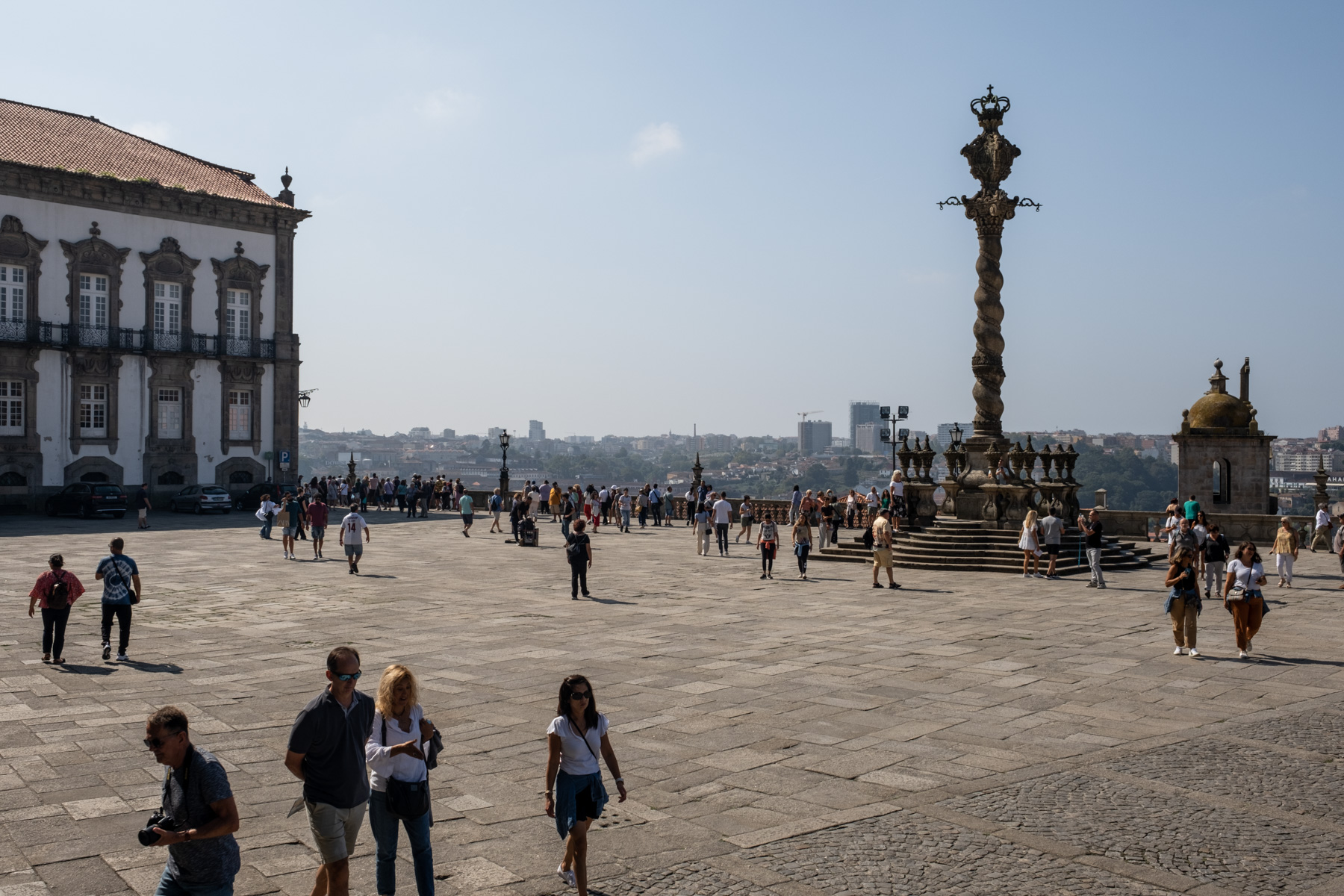
Head to Porto Cathedral, or Sé do Porto, where King João I married Philippa of Lancaster in 1387. The marriage strengthened the Anglo-Portuguese Alliance, one of the world’s oldest diplomatic alliances still in force today. It’s one of those moments in history that can feel impossibly distant until you realise you’re standing in the very place where it happened.
4. Visit the Traditional Birthplace of Henry the Navigator
One of the children born from that royal marriage would go on to play a major role in Portugal’s Age of Discovery. At Casa do Infante, you can explore the building traditionally believed to be the birthplace of Henry the Navigator. Once one of Porto’s most important buildings, it offers a glimpse into the city during the period when Portugal was beginning to look far beyond its shores.
5. Discover an Art Form That’s More Than 3 000 Years Old
Filigree turns incredibly fine threads of gold and silver into intricate jewellery and works of art. The technique has been passed down through generations and remains an important part of Portuguese craftsmanship. It’s the kind of tradition we love: incredibly detailed, deeply rooted in Portuguese culture and easy to miss if you don’t know where to look. At the Filigree Museum, you can discover more about one of Portugal’s most delicate craft traditions.
5. Walk Beside Porto’s Medieval Walls
Porto once had an impressive defensive wall surrounding the city. The Fernandina Walls, built in the 14th century, protected Porto and its inhabitants for centuries. Today, only sections of this historical site in Porto remain… and they’re easy to overlook. But once you know what you’re looking at, these stretches of granite become something else entirely.
7. Discover the Birthplace of the Francesinha
Head to Café Regaleira, traditionally credited as the birthplace of the Francesinha in 1952. The story of the sandwich is almost as interesting as the sandwich itself, combining Portuguese ingredients with influences from its creator’s time abroad.
And yes, we think it’s perfectly acceptable to consider eating a local speciality a historical activity. After all, gastronomy is heritage, too.
8. Experience Porto Before Tourism
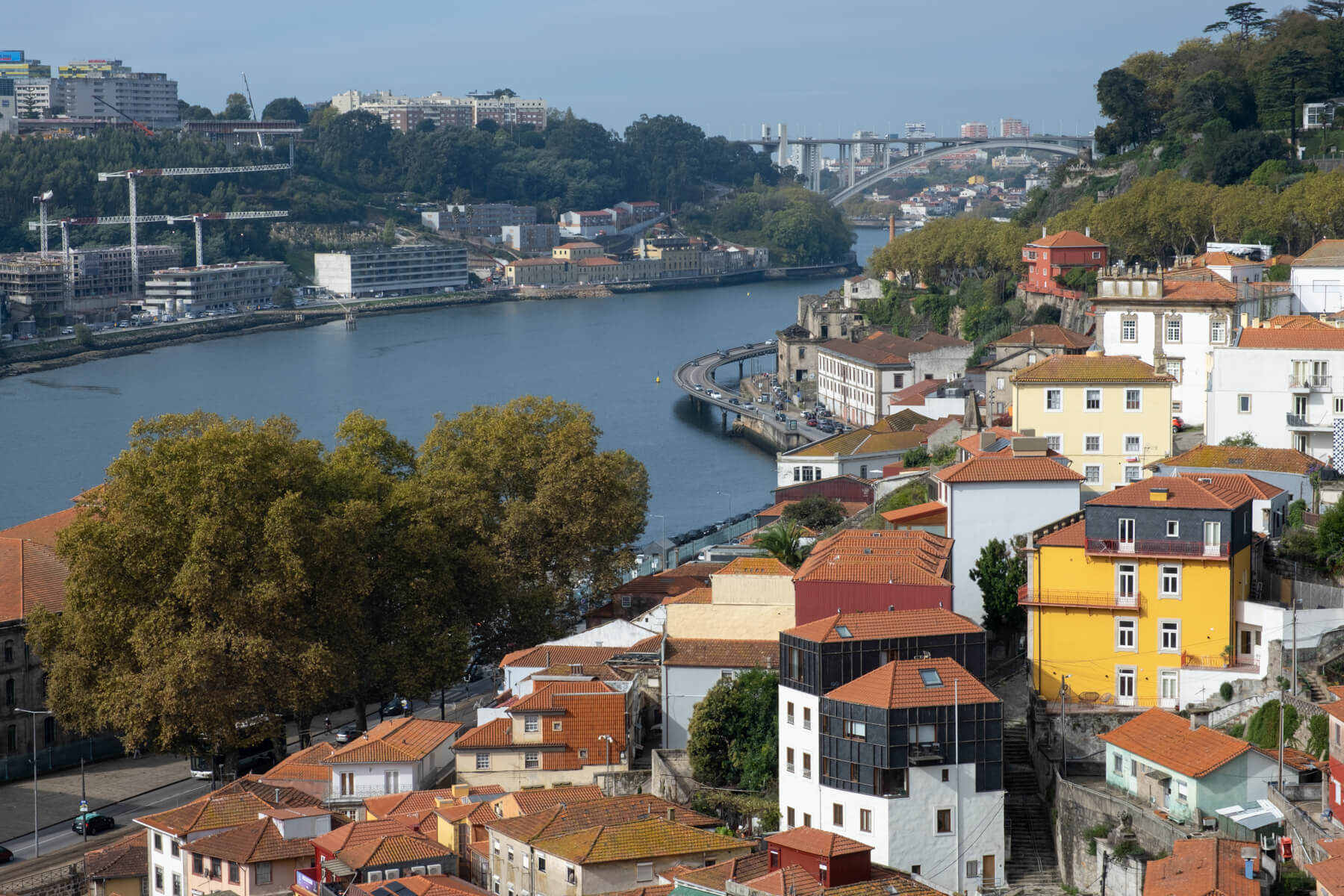
For a glimpse of an older Porto, wander through Miragaia. For centuries, sailors, fishermen and shipbuilders called this neighbourhood home. Its narrow streets and old houses still offer glimpses of the city before tourism transformed it.
But don’t rush this experience! Walk slowly. Look up. Notice the details. You might not find a single “must-see” attraction here. But you may get something better: a feeling for how Porto once lived.
9. Visit an Open-Air Museum Few Visitors Think to Explore
Prado do Repouso Cemetery is one of Porto’s quieter historic spaces. Opened in 1839, the cemetery is filled with elaborate sculptures, imposing mausoleums and the graves of important figures from Porto’s past. It may not be the first place you’d think to visit on a city break, but that’s exactly why we like it.
Porto’s History Is Everywhere. You Just Have to Look!
The best way to discover Porto isn’t by ticking landmarks off a list. It’s by understanding the stories behind them. A church becomes more interesting when you know what happened inside it. A medieval wall becomes more than a pile of granite when you understand what it protected. And a neighbourhood becomes much more than a pretty backdrop when you know who lived there. That’s the kind of Porto we love showing people on our Porto walking tours.
Visiting Porto for the First Time?
If you’re new to the city, our Porto Beginners’ Guide Tour is a great place to start. Rather than simply taking you from one famous landmark to another, we use Porto’s history, food, people and everyday life to help you understand how the city became what it is today. Because once you understand Porto, you’ll see it differently.
Come curious. We’ll take care of the rest!